4th JUDICIAL DISTRICT
VICTIM WITNESS SERVICES UNIT
DOMESTIC ABUSE PROGRAM
El Paso & Teller County
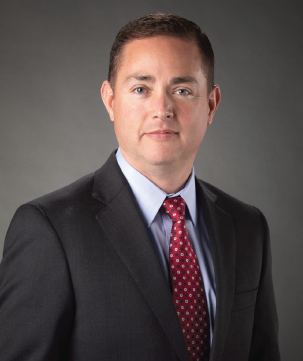
A MESSAGE FROM YOUR DISTRICT ATTORNEY
MICHAEL J. ALLEN
FOURTH JUDICIAL DISTRICT
Four short decades ago Domestic Violence didn’t even have a name. Domestic violence was seen as a private matter, a crime that was seldom reported. Today, there is a greater understanding that domestic abuse is devastating and long-lasting, not only to the abuser and victim, but everyone around them as well. Children who grow up in homes where domestic abuse occurs are significantly more likely to become abusers themselves.
Breaking this cycle of abuse through intervention and strong prosecution is critically important to the safety of our community, now and in the future.
Michael J. Allen
District Attorney
Office of the District Attorney
105 E. Vermijo
Colorado Springs, CO 80903
719-520-6000
For further information and assistance refer to: https://www.da4colorado.gov
RESOURCES AND IMPORTANT PHONE NUMBERS
Tap on the "down arrow" in the section below that you wish to view.
Tap a phone number, email or web address for one-touch access.
Domestic abuse is any physical or psychological harm experienced by one person to another person with whom an intimate relationship is shared.
Victims of domestic abuse may be men or women. This abuse happens among heterosexual couples and same-sex partnerships. It happens with all age ranges, ethnic backgrounds, and financial levels. The abuse may occur during a relationship, while the couple is breaking up, or after the relationship has ended.
Physical abuse may involve slapping, hitting, punching, pushing, kicking, strangling or any other action intended to cause pain. It may involve the use of a dangerous weapon such as a stick, belt, knife, gun or any other object.
Emotional abuse involves the use of fear to extend control over the victims. This may involve threats to harm the victim’s, family members, friends, pets, or possessions. The abuser may threaten to withhold money, sleep or affection. It involves any behavior that causes the victim’s emotional pain.
The following list includes a few examples of emotional abuse.
- Making or carrying out threats of physical harm
- Threatening to leave
- Threatening to commit suicide
- Threatening to report someone to welfare
- Forcing the victim to drop charges
- Forcing the victim to do illegal things
- Destroying property
- Preventing the victim from calling for help or leaving
- Abusing Pets
- Using or displaying weapons
- Putting the victim down
- Humiliating the victim
- Making the victim feel guilty
- Using the children
- Isolating the victim
- Blaming others for the abusive behavior
- Denying that abuse happens
- Solely making all the big decisions
- Controlling all the money
- Preventing the victim from getting/keeping a job
Sexual abuse may include marital rape, forced sex with another or while others watch, or intentionally hurting the partner before, during or after intercourse.
Domestic Violence may seem unpredictable and may appear as outbursts related to the moment and circumstances in the lives of the individuals involved. However, domestic violence often follows a pattern. Each time this pattern or cycle repeats, the violence may increase.
The Abusive Cycle: The abusive cycle generally includes three phases: Tension building, battering, and loving stage.
The Tension Building Stage - During this phase of the cycle, abusers may become angry or irritable and blame anyone or anything but themselves for their foul mood. They may order others around and demand immediate understanding and compliance.
Abusers frequently start arguments to bait others into challenging this control. During this phase, victims often feel as though they are “walking on eggshells” around their abuser. They can feel something bad is about to happen, but aren’t sure what, when, or where an explosion from the abuser will occur.
The Battering Stage - The battering stage is that explosive stage. Any event or non-compliance can set off a rage of violence from the abuser. The abuse itself may be physical, sexual or emotional. It may include the use of dangerous weapons, marital rape, coercion, intimidation and/or threats. Victims are almost always blamed for causing this violent outburst. Abusers feel compelled to teach their victims a lesson and believe that pain and suffering is the only way they can learn.
The Honeymoon Stage - This is the makeup or apology stage. This is the phase in which abusers may apologize and promise that it will never happen again. They may behave like the charming, loyal and kind person the victim fell in love with. They may make promises to get help and convince the victim that they will change. However, it is also common for abusers to deny violence ever took place, or to blame it on alcohol, drugs or even the victim. Abusers may beg for forgiveness yet still feel as though the victim needed to be taught a lesson. Because the victim loves the person, not necessarily the behavior, they often forgive the abuser and hope for change.
It is very important to recognize when you are the victim of this seemingly unending cycle of Domestic Abuse. The abuser is angry, then violent, then nice over and over again. Each time the cycle is allowed to repeat, there is a danger of the violence getting worse. Studies have shown that children who witness this cycle have a higher risk for becoming abusers or victims in their own relationships.
It is also important to know that there is hope. Resources are available to help protect you and the children. An offender can be held accountable for abusive behavior and possibly taught not to abuse again.
Caring about an abusive partner is not wrong. Caring about your safety and the safety of your children is also not wrong. Through intervention, accountability and support the abusive cycle may be stopped.
Power and Control Through Physical and Sexual VIOLENCE
USING INTIMIDATION Making you afraid by using looks, actions or gestures • Smashing things • Destroying property • Abusing pets • Displaying weapons.
USING EMOTIONAL ABUSE Putting you down • Making you feel bad about yourself • Calling you names • Making you think you are crazy • Playing mind games Humiliating you • Initiating feelings of guilt .
USING ISOLATION Controlling what you do, who you see and talk to, what you read, where you go • Using jealousy to justify actions.
MINIMIZING, DENYING AND BLAMING Making light of the abuse and not taking your concerns about it seriously • Saying the abuse didn’t happen • Shifting responsibility for abusive behavior • Saying you caused it.
USING CHILDREN Making you feel guilty about the children • Using children to relay messages • Using visitation to harass you • Threatening to take the children away.
USING SEXUAL PRIVILEGE Treating you like a servant • Making all the big decisions • Acting like the “master of the castle” • Being the one to define men’s and women’s roles • Forcing or withholding sex.
USING ECONOMIC ABUSE Preventing you from getting or keeping a job • Making you ask for money • Giving you an allowance • Taking money • Not letting you know about or having access to family income.
USING COERCION AND THREATS Making and carrying out threats to do something to hurt you • Threatening to leave or commit suicide • Making reports to Welfare • Making you drop charges or do illegal things.
The District Attorney’s Office
Victim/Advocate Unit
719-520-6000
Services: Victims Advocates will advise and assist you through the court process and help you with Victim Compensation forms. These forms will help pay for the cost of medical expenses and therapy.
TESSA: 719-633-1462
Hotline: 719-633-3819
Services: Assistance in obtaining restraining orders, domestic violence counseling programs and safe housing for women and children.
Emergency Help Dial 911 A police officer will respond. The abuser can be arrested and taken to jail.