
Victim Service Unit
Your Rights & Resources
READ THIS FIRST
The Victim Services Unit is sorry to learn that you or someone you care about has been affected by crime, trauma, or tragedy. You may be experiencing injury, loss, confusion, or disruption in your life, along with feelings such as shock, fear, anger, or uncertainty. You are not alone. Our advocates provide support, information, and resources to victims, survivors, and anyone impacted by these experiences.
If you have questions or need assistance, please contact our Victim Services Unit, and an advocate will be available to help.
For immediate after-hours support, contact the on-call advocate through Jeffcom Dispatch at
303-980-7300.
Tap on a box below to access the information which may contain content, phone numbers and links to other resources.
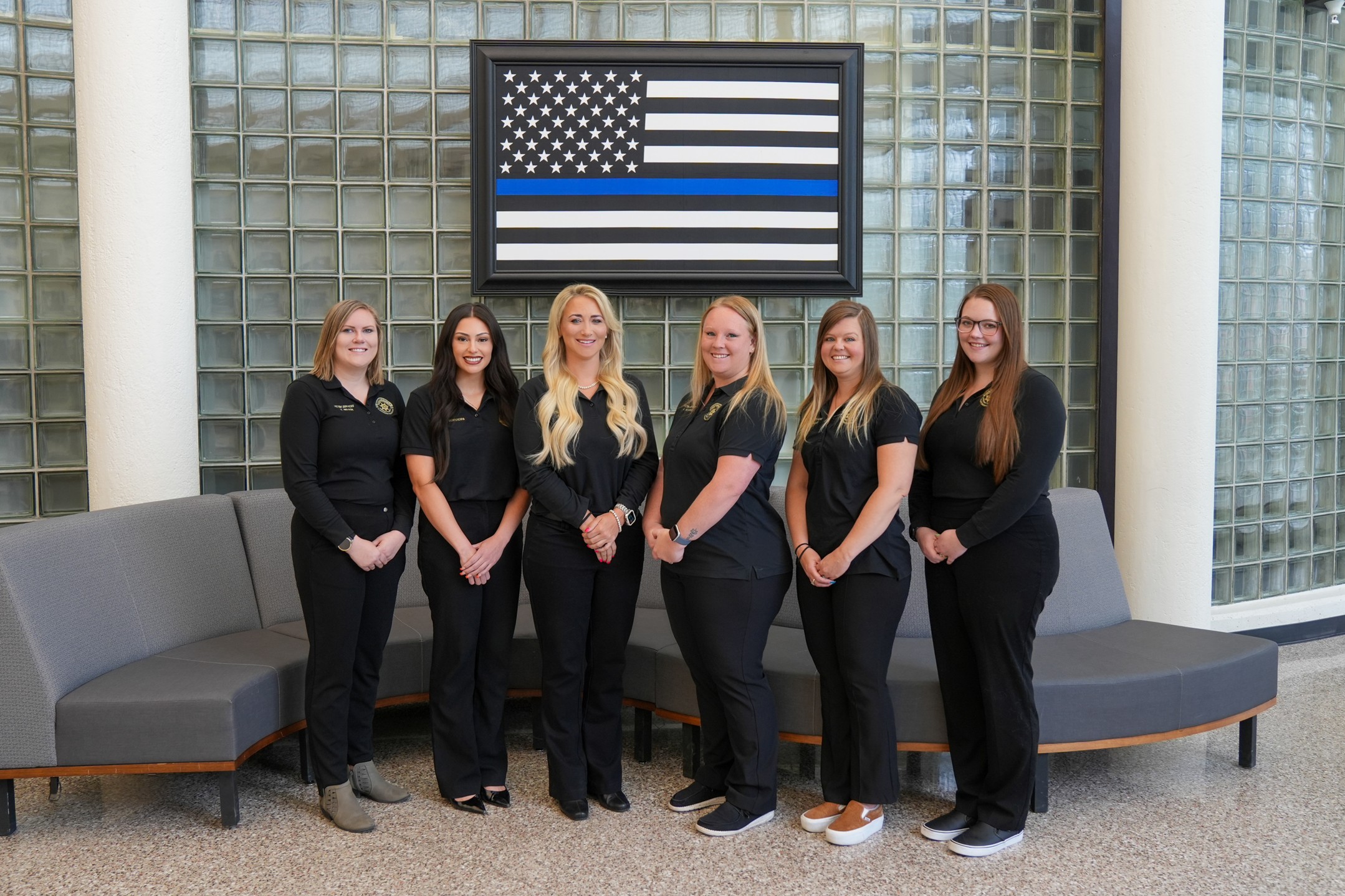
The Victim Services Unit (VSU) is staffed with six full time advocates, one administrative specialist, volunteer victim advocates and the Victim Services Manager. VSU works within the Criminal Investigations Division of the Jefferson County Sheriff’s Office. The unit responds to victims’ rights cases including, but not limited to, domestic violence, sexual assault, child abuse, elder abuse, and mass violence—to ensure victims’ rights are upheld and that each individual is treated with fairness, dignity, and respect.
In addition to statutory cases, VSU provides compassionate assistance during other traumatic events such as unattended deaths, suicides, house fires, and missing persons incidents. Advocates, both staff and volunteer, provide immediate crisis intervention, support, resources and referrals for individuals and families affected. Responses include immediate on-scene, phone calls, follow-up, appointments, and court accompaniment. Victim advocates are available 24 hours a day, 365 days a year to provide information and support to those affected by crime or trauma.
To contact the Victim Services Unit during business hours, please call 303-271-5339 or email victimservices@jeffco.us. For after-hours assistance, please contact Jeffcom at 303-980-7300 and ask to speak with the on-call Jefferson County Sheriff’s Office victim advocate.
Monday – Friday, from 8:00 A.M. to 4:30 P.M. If you would like to speak or meet with a Victim Advocate, please feel free to contact us.
To visit our JCSO Victim Services website tap here.
The Constitution of the State of Colorado and the laws of the state [Section 24-4.1-302(1) C.R.S]
guarantee certain rights to victims of the following criminal acts:
- 1st degree Arson 18-4-102
- A bias motivated crime - harassment, ethnic intimidation
- Any attempt, conspiracy, solicitation, or accessory of the listed crimes
- Any crime with an underlying factual basis of Domestic Violence
- Assault—1st, 2nd or 3rd Degree
- Burglary—1st Degree and 2nd Degree
- Careless driving resulting in death
- Child Abuse
- Crime of careless driving resulting in serious bodily injury
- Crimes against at-risk adults or juveniles
- Crimes involving Child Prostitution
- Criminal Invasion of Privacy 18-7-801
- Criminally Negligent Homicide; Vehicular Homicide or Vehicular Assault
- Ethnic Intimidation
- Failure to stop at an accident that results in death or serious injury of another person
- Harassment Bias Motivated
- Harassment of a transit worker
- Human Trafficking in Adults and Children
- Incest and Aggravated Incest
- Indecent Exposure
- Intimidation and Aggravated Intimidation of a victim or witness
- Invasion of Privacy for Sexual Gratification
- Kidnapping– 1st and 2nd Degree
- Menacing
- Murder–1st and 2nd Degree; Manslaughter
- Posting private image for harassment or pecuniary gain
- Retaliation against or tampering with a witness, victim, judge, prosecutor, juror or elected official
- Robbery & Aggravated Robbery, Aggravated Robbery of a Controlled Substance
- Sexual Assault (all) & Unlawful Sexual Contact
- Sexual Assault on a Child
- Sexual Exploitation of a Child
- Stalking
- Violation of a Protection Order issued against a person charged w/ Sexual Assault or Stalking
If a victim is deceased or incapacitated, these rights may be exercised by the victim’s spouse, parent, child, sibling, grandparent, grandchild, significant other, or other lawful representative.
A The following is a summary of the rights guaranteed by the Victim Rights Act (For a complete listing of your rights, please refer to Colorado Revised Statutes 24-4.1-301 through 24-4.1-304 here.):
- To be treated with fairness, respect, and dignity and to be free from intimidation, harassment, or abuse;
- To be informed of all “critical stages” of the criminal justice process (victims of crime must request notification, in writing, for probation critical stages);
- To be present at specified critical stages in the criminal justice process;
- To be informed about what steps can be taken including information about protection services, if there is any intimidation or harassment by a person accused or convicted of a crime or anyone acting on that person’s behalf;
- To be present and heard regarding bond reduction or modification, a subpoena for the victim’s records, acceptance of a plea agreement, sentencing or modification of a sentence, any request modification to the “no contact” provision or criminal protection order or the petition for expungement;
- To be heard by phone or similar technology when a victim cannot appear in court;
- To be informed of the existence of the criminal protection order and upon request of the victim, the procedure for modifying the protection order if a procedure exists;
- To receive a free copy of the initial incident report from the investigating law enforcement agency; except that the release of a document associated with the investigation is at the discretion of the law enforcement agency based on the status of the case or security and safety concerns in a correctional facility, local jail, or private contract prison;
- To have the victim’s social security number redacted or excluded from criminal justice documents when records are released to someone other than the victim, a criminal justice agency, or the defendant’s attorney of record;
- To be informed of the process the district attorney can use to request protection of the victim’s address (the court may or may not grant the request);
- To consult with the district attorney prior to any disposition of the case or before the case goes to trial and to be informed of the final disposition of the case;
- To be informed of the status of the case and any scheduling changes or cancellations, if known in advance;
- To receive and prepare a victim impact statement and to be present and/or heard at the sentencing hearing;
- To have the court determine restitution and to be informed of the right to pursue a civil judgment against the person convicted of the crime;
- To prevent any party at any court proceeding from compelling testimony regarding a victim’s address, telephone number, place of employment or other locating information;
- To receive a prompt return of property when it is no longer needed as evidence;
- To be informed about the possibility of restorative justice practices;
- To be informed of the availability of financial assistance and community services;
- To be provided with appropriate employer intercession services regarding court appearances and meetings with criminal justice officials;
- To be assured that in any criminal proceeding the court, the prosecutor, and other law enforcement officials will take appropriate action to achieve a swift and fair resolution of the proceedings;
- Whenever practicable, to have a safe, secure waiting area during court proceedings;
- To be informed of and have input about a motion to sequester the victim from a critical stage;
- To be informed of any request for progression from the state mental hospital and the right to be heard at any hearing which a court considers such a request;
- To be notified of the referral of an offender to community corrections and to provide a written victim impact statement to the community corrections board and, if permitted by the board, to provide an oral victim impact statement. In addition, a victim has a right to provide a separate oral statement to the community corrections board if the board is considering a transitional referral from the department of corrections;
- To be heard by phone or similar technology by the community corrections board when the victim is otherwise unavailable;
- Upon written request, to be informed when a person accused or convicted of a crime is released from custody other than the county jail, is paroled, escapes or absconds from probation or parole;
- Upon written request, to be informed of the results of a probation or parole revocation hearing;
- The right to be informed of the filing of a petition to cease sex offender registration;
- Upon request, to be informed when a person who is accused or convicted of a crime is released, discharged, or permanently transferred from the custody of the county jail;
- Upon written request, to be informed of and heard at any proceeding at which any post-conviction release from confinement in a secure state correctional facility is being considered;
- Upon written request, to be informed when a person convicted of a crime against the victim is placed in or transferred to a less secure correctional facility, program, or placed on non-residential status, or is permanently or conditionally transferred or released from any state hospital;
- The right, at the discretion of the district attorney, to view all or a portion of the presentence report of the probation department;
- To be notified of a hearing concerning a petition for sealing of records;
- To be informed of the governor’s decision to commute or pardon a person before such information is publicly disclosed;
- To be informed of the results of any court-ordered HIV testing;
- To be informed of any rights which the victim has pursuant to the Constitution of the United States or the State of Colorado; and
- To be informed of the process for enforcing compliance with the Victim Rights Act.
Additional rights and services are provided to child victims of crime. Law enforcement officials, prosecutors and judges are encouraged to designate one or more individuals to try to ensure that the child and his/her family understand the legal proceedings and have support and assistance to deal with the emotional impact of the crime and the subsequent criminal proceedings.
24-4.1.302(1)(cc.6) Failure to stop at the scene of a CRASH, in violation of section 42-4-1601, where the CRASH resulted in the death or serious bodily injury of another person.
24-4.1-302(1)(II) SOLICITING FOR COMMERCIAL SEXUAL ACTIVITY WITH A CHILD, in violation of section 18-7-4.2 procurement of a child for sexual exploitation, in violation of section 18-6-404; pimping of a child, in violation of section 18-7-405 INDUCEMENT OF COMMERCIAL SEXUAL ACTIVITY WITH A CHILD, in violation of section 18-7-405.5; ENGAGING IN COMMERCIAL SEXUAL ACTIVITY WITH A CHILD, in violation of sections 18-7-406; SOLICITING FOR CHILD PROSTITUTION, IN VIOLATION OF SECTION 18-7-102 AS IT EXISTED PRIOR TO JULY 1, 2026; INDUCEMENT OF CHILD PROSTITUTION, IN VIOLATION OF SECTION 18-7-405.5, AS IT EXISTED PRIOR TO JULY 1, 2026; OR PATRONIZING A PROSTITUTED CHILD, IN VIOLATION OF SECTION 18-7-406, AS IT EXISTED PRIOR TO JULY 1, 2026;
24-4.1-302(2)(e.5) Any subpoena or application for records concerning the victim’s medical history, mental health, OR education; victim’s compensation RECORDS or records that are privileged pursuant to section 13-90-107
24-4.1-302(2)(aa) RECEIPT BY A DISTRICT ATTORNEY OF A NOTICE THAT A CRIME LABORATORY EMPLOYEE ENGAGED IN A WRONGFUL ACTION, AS DESCRIBED IN SECTION 16-12-307 (1);
(bb) AN EVIDENTIARY HEARING ON POST-CONVICTION PETITION FOR RELIEF HELD PURSUANT TO SECTION 16-12-312; AND
(cc) A RESTITUTION ASSESSMENT HEARING HELD PURSUANT TO SECTION 18-1.3-603.
24-4.1-302(3) "Lawful representative" means AN INDIVIDUAL who is designated by the victim or appointed by the court to act in the best interests of the victim; EXCEPT THAT IF THE VICTIM IS A CHILD OR AN AT-RISK ADULT, AS DEFINED IN SECTION 18-6.5-102, "LAWFUL REPRESENTATIVE" DOES NOT INCLUDE THE DEFENDANT OR ALLEGED OFFENDER IN THE UNDERLYING CASE.
24-4.1-302.5(1)(a.5) THE RIGHT TO REQUEST, IN ORDER TO PROTECT THE SAFETY OR PRIVACY OF A VICTIM, TO HAVE THE VICTIM REFERRED TO BY AN ABBREVIATION, PSEUDONYM, INITIALS, OR ANOTHER PREFERRED NAME DURING HEARINGS;
(applies to District Attorney’s Office’s)
24-4.1-302.5(1)(j.8) The right to obtain any incident recordings as described in section 24-31-902. 24-31-902 Incident recordings – release -tampering – fine
24-4.1-302(2)(q.1) A TRIAL FOR CIVIL COMMITMENT OR ENHANCED PROTECTIVE PLACEMENT PURSUANT TO SECTION 16-8.5-118;
(q.2) A HEARING TO TERMINATE A CIVIL COMMITMENT PURSUANT TO SECTION 27-65-202 OR AN ENHANCED PROTECTIVE PLACEMENT PURSUANT TO SECTION 25.5-10-508;
(q.3) THE TRANSFER, RELEASE, OR ESCAPE OF A PERSON OR THE PLACEMENT OF A PERSON INTO A COMMUNITY-BASED SETTING OUTSIDE OF INPATIENT CARE AT THE DISCRETION OF CDHS, AS DEFINED IN SECTION 16-8.5-101, WHEN THE PERSON IS UNDER A CIVIL COMMITMENT PURSUANT TO SECTION 27-65-201 OR AN ENHANCED PROTECTIVE PLACEMENT UNDER COURT SUPERVISION PURSUANT TO SECTION 25.5-10-507 WHEN THE CRIMINAL CASE INITIATING THE CIVIL COMMITMENT OR ENHANCED PROTECTIVE PLACEMENT INVOLVED A VICTIM.
24-4.1-302(2)(j.6) THE RIGHT TO BE INFORMED OF ANY REQUEST FOR CHANGES TO MATERIAL TERMS OF A CIVIL COMMITMENT PURSUANT TO SECTION 27-65-201 OR ENHANCED PROTECTIVE PLACEMENT PURSUANT TO SECTION 25 .5-10-507 ON BEHALF OF A PERSON IN A CIVIL COMMITMENT OR PROTECTIVE PLACEMENT IN A CRIMINAL CASE INVOLVING THE VICTIM, AND THE RIGHT TO BE PRESENT BY APPEARING IN PERSON, BY PHONE, OR VIRTUALLY BY VIDEO OR AUDIO, OR SIMILAR TECHNOLOGY, AND HEARD AT ANY HEARING DURING WHICH A COURT CONSIDERS THE REQUEST. AS USED IN THIS SUBSECTION (l)G.6), "REQUEST FOR CHANGES TO MATERIAL TERMS" INCLUDES ANY REQUEST TO BE RELEASED FROM AN INPATIENT SETTING TO AN OUTPATIENT SETTING OR TO BE MOVED INTO A COMMUNITY-BASED SETTING OUTSIDE OF INPATIENT CARE AT THE DISCRETION OF CDHS, AS DEFINED IN SECTION 16-8.5-101.
(Applies to District Attorney’s Office and County Attorney’s)
24-4.1-303 (10)(IV) Upon request of the victim, the law enforcement agency shall provide the victim in a cold case information concerning any change in the status of the case. In addition, the law enforcement shall provide an update at least annually to the victim concerning the status of a cold case involving one or more crimes for which the criminal statute of limitation is longer than three years.
24-4.1-302.5(1)(b.8) Upon request of a victim who has had forensic medical evidence collected that has not resulted in a conviction or plea of guilty, the victim has the right to be notified by the law enforcement agency of the status and location of the victim’s forensic medical evidence.
24-31.902 (2)(b)(I) Upon request of the victim’s designee, all video and audio recordings of a death must be provided to the victim’s designee at least 72 hours prior to public disclosure.
Forensic Medical Evidence – Sexual assault victims are provided forensic medical exams without any out-of-pocket expenses for services. For “OPT IN” notifications regarding forensic medical evidence, contact the law enforcement agency with jurisdiction for the case. Notifications include: location of evidence, testing, results of DNA, DNA matches and destruction of evidence collected. The right to file, prior to expiration of the 60 day period, an objection with the LE agency, CBI or accredited crime lab that is proposing to destroy forensic medical evidence. Case status and the right to receive a physical document identifying rights under the law after an exam has been completed.
If You Feel Your Rights Have Not Been Upheld
- Contact the person or agency who did not provide your rights and explain what was not done
- Seek help from your victim advocate or counselor
- If not resolved, notify the Governor’s Victims’ Compensation and Assistance Coordinating Committee:
- Dept. of Public Safety, Div. of Criminal Justice
Office for Victims’ Program
700 Kipling St., Ste. 1000, Denver, CO 80215-5865
303-239-4442 or 1-888-282-1080 (toll free)
- Dept. of Public Safety, Div. of Criminal Justice
Victim Services & Assistance
- Police-based Victim Advocates help with:
- Crisis intervention and safety planning
- Locating emergency resources
- Education about trauma and coping
- Information on case status, restraining orders, and criminal justice system
- Applications for crime victim compensation
- Referrals for counseling, legal, and community resources
- Employer intervention, translation services, and restitution
- To reach a victim advocate, call the law enforcement agency where the crime was reported
Notification & Court Procedures
- If defendant is arrested, victims may attend advisement hearings during weekdays (contact DA’s Victim Witness Unit at 303-271-6550)
- Victims can provide input about bond conditions
- To sign up for automatic custody status alerts, register with Colorado VINE or call 888-263-8463
- Jefferson County Jail: 303-271-5444
- Future court dates/critical stages will be mailed by the District Attorney’s Office; notify them of address/phone changes (303-271-6840)
Register to receive automated notifications via email, text or phone call regarding custody of an inmate. You can also check custody status of an inmate online at any time.
https://vinelink.vineapps.com/state/CO/ENGLISH
To register online:
- Go to vinelink.com
- Click on Colorado
- Select Search and Register for Offenders
- Choose all facilities or Jefferson County Sheriff’s Office
- Enter the last name and at least the first letter of the first name. Click Search.
- Click the magnifying glass next to the name, under Register/Details
- A photo may be available. If you would like to see it, click on “See Photo.”
- Select a notification method (phone, email, text, and/or TTY), click Continue, provide a PIN where required for phone notification, and click Register.
The Crime Victim Compensation (CVC) program provides victims of crime with funds to pay for medical care, mental health support, loss of income, residential repairs, cleaning services and burial expenses.
To receive crime victim compensation victims must sustain physical or psychological injury, or suffer residential property damage as a result of the crime. Family members of victims who are killed in the commission of the crime are also eligible.
Eligibility requirements also include:
- Crime occurred in Jefferson or Gilpin County*
- Crime must be reported within 72 hours of its occurrence
- Injury or death wasn’t caused by the victim’s wrong-doing
- Victim must cooperate with law enforcement officials
- Victimization occurred on or after July 1, 1982
Applications must be submitted within one year from the date of the crime and within six months for residential damage claims.
*Residents of Gilpin or Jefferson County are also eligible if a crime occurs in another state or country without a crime victim compensation program.
For more information about this program and to fill out the application online please visit the 1st Judicial District Victim Compensation Program.
As the victim of a criminal case, pursuant to the Colorado Victim Rights Act (CRS § 24-4.1-302.5 (1) (c)) you have the right to request an annual notification on the status of your case.
Upon request by the victim, the law enforcement agency shall provide the victim in a cold case information concerning any change in the status of the case. In addition, the law enforcement agency shall provide an update at least annually to the victim concerning the status of a cold case involving one or more crimes for which the criminal statute of limitations is longer than three years.
The Sheriff’s Office is committed to solving your case. If new developments or leads occur, an investigator will notify of these changes regardless of your decision to receive annual notifications.
Please note if you fail to notify us of any contact information changes and we are not able to reach you, we may no longer be able to send you annual notifications.
If you would like to talk to a victim advocate about this program please contact our office during business hours at 303-271-5339.
Protection (Restraining) Orders can help stop harassment, intimidation, retaliation, and other harmful actions against individuals named as “Protected Persons.” For more information about protection orders or assistance with the filing process, please contact the Victim Services Unit at the Jefferson County Sheriff’s Office. An advocate can provide guidance, resources, and support.
For more information on obtaining a copy of your case report, please contact the Victim Services Unit or to the Records Unit with the Law Enforcement Agency of your jurisdiction. You may request a copy of the report here as well. (https://www.jeffcosheriffco.gov/services/records)
For information about the prosecution of your case, you can contact the District Attorney’s Office Victim Witness Division at 303-271-6550. District Attorney Victim Advocates can give you information about court dates and locations, updates on your court case, instructions on how to give your input on the case, and referrals to community agencies.
1st Judicial District Attorney’s Office: Victim Services
Colorado 1st Judicial District Court: Visit Web Page
Through the Victims of Trafficking and Violence Protection Act (VTVPA) of 2000, Congress created the U Visa (U non-immigrant classification) to provide legal status to victims of specified crimes who have suffered mental or physical abuse and are helpful in the investigation or prosecution of the criminal act. The U Visa provides eligible crime victims with nonimmigrant status the ability to temporarily remain in the United States while assisting law enforcement.
Who is eligible for a U Visa? The U.S. Citizenship and Immigration Services (USCIS) may find an applicant eligible for a U Visa if the applicant:
- Is the direct or indirect victim of qualifying criminal activity.
- Has suffered substantial physical or mental abuse as a result of having been a victim of criminal activity.
- Has been helpful, is helpful, or is likely to be helpful to a Federal, State, or local prosecutor, to a Federal or State judge, to USCIS, or to other Federal, State, or local authorities investigating or prosecuting criminal activity; and
- The criminal activity violated the laws of the United States or occurred in the U.S. or the territories and possessions of the United States.
Additional information can be found through the following link: Victims of Criminal Activity: U Nonimmigrant Status | USCIS
Jefferson County Sheriff’s Office understands the importance of U Visas to crime victims and is dedicated to reviewing and responding to certification requests. If you are an individual with nonimmigrant status and a victim of a qualifying criminal activity that is investigated by Jefferson County Sheriff’s Office, you or your representative can email the I-918 Supplement B form to crhill@co.jefferson.co.us or mail the form to the Victim Services Unit at 200 Jefferson County Parkway, Golden, Colorado 80401.
Para asistencia e información en relación con U Visas, por favor comuníquese con la coordinator del programa Courtney Hill al 303-271-5575.
To view our Resource Directory tap here.
Categories included in the directory are:
- DV Misdemeanor/Felony Process
- DV Misdemeanor/Felony VA Call Sheet
- Translation & Interpretation Providers
- Domestic Violence Shelters
- Domestic Violence/Advocacy/Other Services
- Crisis Hotlines
- Addictions
- Children and Youth Services
- Churches
- Community Services
- Crime Scene Cleanup/Locksmith/Windows
- Dentistry/Health
- Disabilities
- Divorce and Separation
- Education/Parenting
- Financial Assistance/Food/Clothing
- Multi-Cultural Organizations and Referrals
- Housing and Homeless Resources
- Jefferson County Government Office Information
- Legal Services
- Senior Services
- Sexual Assault
- Social Services
- Support Groups
- Victim Assistance Programs/Police & Sheriff Depts.
- Frequently Used Phone Numbers
- Arvada Police: 720-898-6900
(Victim Advocate: 303-202-2196) - Black Hawk Police: 303-582-0503
(Victim Advocate: 303-582-5926) - Broomfield Police: 303-438-6400
(Victim Advocate: 303-438-6429) - Central City Police: 303-582-5519
(Victim Advocate: 303-582-5926) - Colorado State Patrol: 303-239-4400
(Victim Advocate: 303-273-1618) - Colorado School of Mines: 303-273-3333
(Victim Advocate: 303-202-2196) - Edgewater Police: 303-235-0500
(Victim Advocate: 303-202-2196) - Gilpin County Sheriff: 303-582-1060
(Victim Advocate: 303-582-5926) - Golden Police: 303-384-8045
(Victim Advocate: 303-202-2196) - Jefferson County Sheriff: 303-271-0211
(Victim Advocate: 303-271-5339) - Lakeside Police: 303-455-1980
(Victim Advocate: 303-202-2196) - Lakewood Police: 303-987-7111
(Victim Advocate: 303-987-7191) - Mountain View Police: 303-425-1748
(Victim Advocate: 303-202-2196) - Red Rocks Police: 303-914-6394
(Victim Advocate: 303-987-7191) - Westminster Police: 303-658-2400
(Victim Advocate: 303-658-4210) - Wheat Ridge Police: 303-237-2220
(Victim Advocate: 303-202-2196)
Colorado Revised Statutes (C.R.S.) 24‑4.1‑302.5 grants crime victims the following rights:
Notification when forensic medical evidence is submitted to a certified crime lab (this letter provides that notice).
Notification upon receipt of DNA analysis results.
Quarterly updates (March, June, September, December) if results are still pending.
Updates on whether DNA was obtained and if it matches any state or federal database profiles.
At least sixty days’ notice before evidence destruction, with the ability to object to Law Enforcement, CBI, or the lab.
Notification of any change in case status (e.g., case closed or reopened).
A physical copy of your rights following the exam.
If you agreed to evidence analysis, you’ll receive all notifications above. To opt out, email crhill@co.jefferson.co.us with your name, birth date, and case number—or call us at 303-271-5575 (M–F, 8 am–4 pm) for more information.
Please note: Medical-only kits or anonymous reports will not receive 90-day updates.
State statute (C.R.S. 24 33.5 120) also requires notifying you of the earliest possible destruction date. We retain sexual assault evidence kits until authorized by the District Attorney to destroy them. However, a placeholder date—100 years from January 1 of the kit collection year—is entered in databases; the kit will not be disposed of then.
Please note: Medical-only kits or anonymous reports will not receive 90-day updates.
The state statute (C.R.S. 24‑33.5‑120) also requires notifying you of the earliest possible destruction date. We retain sexual assault evidence kits until authorized by the District Attorney to destroy them. However, a placeholder date—100 years from January 1 of the kit collection year—is entered in databases; the kit will not be disposed of then.
If your assault occurred outside our law enforcement agencies, your evidence will be transferred to the appropriate jurisdiction. That agency will be responsible for keeping you informed about all updates, including testing status, notifications, and rights. To opt out of notifications, please contact the agency now in custody of your evidence. If the jurisdiction is unknown, we will continue to provide all required notifications and updates on your behalf
If you’re a survivor, you can check the status of your Sexual Assault Evidence (SAFE) kit online. Here’s how:
Visit the Colorado tracking portal at https://trackit.colorado.gov/
Enter your SAFE kit number.
View real-time updates on your kit’s progress.
Tap this link or the image below to access the digital versions of our Crime Brochures/Pamphlets.