Victim Services Unit
CRIME CATEGORIES
We are committed to meeting the needs of individuals impacted by crime and crisis victims in Jefferson County. Below is a list of crimes and crisis situations. Tap the link to the category that best applies to your situation.
"Each person will experience grief differently, but most often it comes with feelings of heartache and despair. There are ways to cope with grief, so you can alleviate your suffering and move forward in healthy ways."
- Joy Youell
THE MOURNING PROCESS
Grief and mourning is often misunderstood by people who have never faced the death of a loved one. If this has happened to you for the first time, I hope the following thoughts and information will help you realize that what you are experiencing is normal. The healing process takes courage. Others may feel uncomfortable as they see you expressing your (sometimes) uncontrollable feelings. It takes courage not to avoid these feelings just to make others feel "better." Finding others who do understand what it is like is important at this time. Joining a grief support group is one way of doing this.
Learning to survive the feelings of sadness and loss takes time. The process involves both emotional and behavioural reactions. It takes us through the initial response of shock and sadness, through acceptance and understanding and eventually to the rebuilding of our lives.
There are many ways in which people learn to adjust to the death of someone they cared about. Although everyone grieves differently, there are many feelings that are common experiences in the grieving process.
SOME DOS
- Do expect a range of emotions - this is normal, allow yourself to express them.
- Do forgive yourself for what you did or didn't do.
- Do talk to others who can share your grief - tell them what helps and what doesn't help.
- Do keep a journal of your feelings/write to the person who died.
- Do allow your self some alone time.
- Do take care of yourself - get plenty of rest, exercise and eat well.
- Do something to help others - step outside your own pain for a while.
- Do seek help from a counselor or spiritual guide.
- Do give yourself time - there is no set time limit on grieving.
- Do carry or wear a linking object of the person who died, or create a memory area in your home.
DO NOT
- Try to make major life decisions too quickly; stick to a routine.
- Turn to alcohol or other drugs.
- Deny your feelings or reactions.
- Isolate yourself.
- Expect to get better every day.
WHAT YOU MIGHT FEEL AFTER A LOSS
- Disbelief or shock from the event
- Confusion
- Frustration and anger are common, and this anger may be directed at the deceased, at a higher power, at yourself, or at others
- Blaming others or feeling guilty for things that were done or not done when the person was alive
- Detachment from or disruption of normal activities and feelings
- Feeling vulnerable and emotional
- Feelings of hopelessness or helplessness
- Physical discomfort and aches or appetite disturbance
- Difficulty sleeping and/or nightmares
PHYSICAL SYMPTOMS OF STRESS MAY ALSO BE COMMON, SUCH AS
- Rapid heart rate
- Shortness of breath
- Headaches, body aches
- Loss or increase of appetite
ABOUT US
There is no higher calling than to protect the rights and constitutional freedoms of those we serve. We pledge to serve the Jefferson County community with:
INTEGRITY -We are honest, forthright and courageous in all we do. We are accountable to the public and ourselves.
EXCELLENCE -Our tradition holds that we serve our communities with high standards through teamwork, innovation and leadership. Exceptional service is our hallmark.
RESPECT -We honor our oath of office and the people we serve. We wear our badge with dignity and restraint. We enforce the law with equality, compassion and respect for individual rights.
WHAT IF I NEED MORE HELP?
A Victim's Advocate is on call 24hrs to listen to your feelings, concerns, and to problem-solve issues related to the crime. Please let us know how we can help you. Our services include but are not limited to:
- Crisis intervention
- Location of emergency services
- Referrals for resources
- Referrals to community resources
- Liaison to investigators and DA's Office
- Assistance with the application for Crime Victim Compensation
Sheriff's Office Information
24-Hour Advocate at Non-Emergency Dispatch 303.980.7300
Victim Services 303.271.5339
YOUR HOME HAS BEEN BURGLARIZED
Burglary may feel like a violation of one’s home, trust, and safety. Many victims report some of the following reactions:
- fear of returning home,
- startled reaction in response to loud noises or quick movements of people,
- hyper-vigilance,
- anger at the suspect(s) coupled with a sharp sense of violation,
- difficulties concentrating,
- heightened interest in home security and personal safety in general,
- fatigue and a sense of being drained,
- moodiness, irritability, and general sensitivity to any criticism.
These symptoms are normal and should lessen in severity over time. Not everyone recovers from a crisis in the same manner or within the same time frame. Recovery from the trauma of crime depends on factors including internal resources, support of family and/or friends, how you were treated as a victim and your state of mind at the time of the crime.
FOLLOWING THE CRIME
Many victims report other common reactions on the days following a burglary:
- tearful and shaking,
- numbing and shock with a feeling of ‘it’s not real’,
- feelings of guilt such as ‘I should have…’ (locked the door, checked the windows, etc.),
- a desire to contact close relatives and withdraw to your home,
- physical discomfort and aches or appetite disturbance,
- and difficulty sleeping and/or nightmares.
These are all normal reactions to a crisis and you need not become alarmed or harsh with yourself for not recovering more quickly.
Children will need to be reassured that they are safe. They may experience some of the same reactions as adults; talk with them about their feelings and concerns.
HOW CAN WE HELP?
The time period immediately following a crisis can be confusing and frightening. A Jefferson County Sheriff’s Office (JCSO) Advocate will assist you with emotional support, immediate needs and relevant information. Officers will continue working on the case following your initial contact with them. Feel free to call the investigator if you have any questions. As a victim, you have the right to be informed of the status of the case and the judicial process.
CRIME VICTIM COMPENSATION
Crime Victim Compensation is a fund that can assist victims of crime, offering financial assistance with counseling and repair or replacement of doors, locks, or windows due to a crime. Your Victim Advocate can assist in explaining the program.
WHAT IF I NEED MORE HELP?
A Victim’s Assistant is on-call 24 hours a day to listen to your feelings and concerns and to problem-solve issues related to the crime. Please let us know how we can help you. Our services include but are not limited to:
- crisis intervention,
- location of emergency services,
- referrals for resources,
- referrals to community resources,
- liaison to investigators and the District Attorney’s Office,
- and assistance with the application for Crime Victim’s Compensation.
WHO ARE WE
There is no higher calling than to protect the rights and constitutional freedoms of those we serve. We pledge to serve the Jefferson County community with:
INTEGRITY -We are honest, forthright and courageous in all we do. We are accountable to the public and ourselves.
EXCELLENCE -Our tradition holds that we serve our communities with high standards through teamwork, innovation and leadership. Exceptional service is our hallmark.
RESPECT -We honor our oath of office and the people we serve. We wear our badge with dignity and restraint. We enforce the law with equality, compassion and respect for individual rights.

ROBBERY
Robbery is a crime "against the person" and a frightening experience, which can result in injury or even death to the victim. It is important to remember not everyone reacts the same to a crisis. Many victims report similar feelings immediately following a robbery such as;
- fear of returning to the scene,
- being startled by loud noises or quick movements,
- hyper-vigilance,
- anger at the suspect(s) and a sharp sense of violation,
- difficulties concentrating,
- heightened interest in security and personal safety,
- fatigue and a sense of being drained,
- as well as moodiness, irritability, and general sensitivity to any criticism.
These symptoms are normal and should lessen in severity over time. Not everyone recovers from a crisis in the same manner or within the same time frame. Recovery from the trauma of crime depends on factors including internal resources, support of family and/or friends, how you were treated as a victim, and your state of mind at the time of the crime.
FOLLOWING THE CRIME
Many victims report other common reactions on the days following a burglary:
- tearful and shaking,
- numbing and shock with a feeling of ‘it’s not real’,
- feelings of guilt such as ‘I should have…’ (locked the door, checked the windows, etc.),
- a desire to contact close relatives and withdraw to your home,
- physical discomfort and aches or appetite disturbance,
- and difficulty sleeping and/or nightmares.
These are all normal reactions to a crisis and you need not become alarmed or harsh with yourself for not recovering more quickly.
Children will need to be reassured that they are safe. They may experience some of the same reactions as adults; talk with them about their feelings and concerns.
HOW CAN WE HELP?
The time period immediately following a crisis can be confusing and frightening. A Jefferson County Sheriff’s Office (JCSO) Advocate will assist you with emotional support, immediate needs and relevant information. Officers will continue working on the case following your initial contact with them. Feel free to call the investigator if you have any questions. As a victim, you have the right to be informed of the status of the case and the judicial process.
CRIME VICTIM COMPENSATION
Crime Victim Compensation is a fund that can assist victims of crime, offering financial assistance with counseling and repair or replacement of doors, locks, or windows due to a crime. Your Victim Advocate can assist in explaining the program.
WHAT IF I NEED MORE HELP?
A Victim’s Assistant is on-call 24 hours a day to listen to your feelings and concerns and to problem-solve issues related to the crime. Please let us know how we can help you. Our services include but are not limited to:
- crisis intervention,
- location of emergency services,
- referrals for resources,
- referrals to community resources,
- liaison to investigators and the District Attorney’s Office,
- and assistance with the application for Crime Victim’s Compensation.
WHO ARE WE
There is no higher calling than to protect the rights and constitutional freedoms of those we serve. We pledge to serve the Jefferson County community with:
INTEGRITY -We are honest, forthright and courageous in all we do. We are accountable to the public and ourselves.
EXCELLENCE -Our tradition holds that we serve our communities with high standards through teamwork, innovation and leadership. Exceptional service is our hallmark.
RESPECT -We honor our oath of office and the people we serve. We wear our badge with dignity and restraint. We enforce the law with equality, compassion and respect for individual rights.

WHAT IS SEXUAL ASSAULT?
Sexual assault is any forced, unwanted or nonconsensual sexual contact or activity including touching, or kissing, exhibitionism, and intercourse –anal, vaginal or oral. Sexual assault is a crime of violence, the purpose of which is to overpower, control and/or humiliate another person. It is a crime of violence using sex as a means of assault.
COMMON REACTIONS
In the days following the assault you may notice the following reactions:
- Startle reactions in response to loud noises or quick movement of people
- Hyper vigilance
- Intense mental reviewing of the assault
- Second-guessing your behavior and asking, “what if” questions of yourself
- Difficulties concentrating
- Heightened interest in personal safety
- Sleep disturbances and nightmares
- Fatigue and a sense of being drained
- Moodiness, irritability, and sensitivity
- Flashbacks
- Extreme anxiety and/or excessive crying
- Feelings of helplessness
RAPE CAN HAVE PHYSICAL AND EMOTIONAL EFFECTS
These may be short-term or lasting. Some common effects are:
- Shock or denial about the assault
- Muscle tension and headaches
- Changes in sleeping and eating
- Nausea and vomiting
- Feelings of fear, shame or guilt (Remember, sexual assault is NEVER the victim’s fault)
- Anger, irritability and anxiety
- Nightmares and flashbacks
- A sense of worthlessness, helplessness or loss of control
- Withdrawal from others and loss of interest in usual activities
- Loss of interest in sex
Whether your assault occurred recently or years ago, you have options and support available. Seeking support can help reduce the long-term effects of sexual assault. Have patience with yourself and ask for help when you need it, you don’t have to do this alone.
HOW CAN WE HELP?
The time period immediately following a crisis can be confusing and frightening. A Jefferson County Sheriff’s Office (JCSO) Advocate will assist you with emotional support, immediate needs and relevant information. Officers will continue working on the case following your initial contact with them. Feel free to call the investigator if you have any questions. As a victim, you have the right to be informed of the status of the case and the judicial process.
CRIME VICTIM COMPENSATION
Crime Victim Compensation is a fund that can assist victims of crime, offering financial assistance with counseling and repair or replacement of doors, locks, or windows due to a crime. Your Victim Advocate can assist in explaining the program.
WHAT IF I NEED MORE HELP?
A Victim’s Assistant is on-call 24 hours a day to listen to your feelings and concerns and to problem-solve issues related to the crime. Please let us know how we can help you. Our services include but are not limited to:
- crisis intervention,
- location of emergency services,
- referrals for resources,
- referrals to community resources,
- liaison to investigators and the District Attorney’s Office,
- and assistance with the application for Crime Victim’s Compensation.
RESOURCES
Sexual Assault Hotline:
303.322.7273
1.888.394.8044
Blue Bench:
303-329-9922
Spanish:
303.329.0031
Colorado Coalition Against Sexual Assault:
303.839.9999
ccasa.org
Wings Foundation (Survivors of childhood sexual assault):
303.238.8660
WHO ARE WE
There is no higher calling than to protect the rights and constitutional freedoms of those we serve. We pledge to serve the Jefferson County community with:
INTEGRITY -We are honest, forthright and courageous in all we do. We are accountable to the public and ourselves.
EXCELLENCE -Our tradition holds that we serve our communities with high standards through teamwork, innovation and leadership. Exceptional service is our hallmark.
RESPECT -We honor our oath of office and the people we serve. We wear our badge with dignity and restraint. We enforce the law with equality, compassion and respect for individual rights.
WHAT IS STALKING?
Stalking is a dangerous, potentially lethal, crime. Although legal definitions vary from one jurisdiction to another, stalking is generally understood to be a pattern of behavior directed at a specific person that would cause a reasonable person to feel fear. Stalkers use a variety of actions to frighten, harass, and control their victims. Stalking may include following a person; driving by a victim’s place of employment or school; sending unwanted gifts, cards, or e-mails; persistently calling or text messaging; tracking a victim’s whereabouts using technology such as cameras or global positioning systems (GPSs); vandalizing property; and threatening to hurt victim, his or her family, another person, or pets.
Stalking is a crime in all 50 states and at the federal level, and it can happen to anyone regardless of gender, race, sexual orientation, socioeconomic status, geographic location, or personal association. The majority of stalking victim are women and most stalkers are men, but anyone can be victim.
Three out of four stalking victims were stalked by someone they know; of theses, 45 percent of stalkers were acquaintance of the victim and 30 percent were intimate partners. Stalking by an intimate partner is the most dangerous type of stalking. Intimate partner stalkers have considerable leverage over their victims because they know so much personal information about the victim.
These stalkers also tend to be more insulting, interfering, and threatening than nonintimate partner stalkers. Alarmingly, a strong link exists between stalking and women who were murdered by their current or former intimate partner.
IF YOU ARE BEING STALKED. . .
As a stalking victim, you may experience a variety of emotional, physical, and financial consequences. The constant stress in stalking situations is real and harmful, and it can take a toll on victims.
The daily lives of stalking victims are unpredictable, and that often makes them feel anxious or on edge. Stalking victims may feel vulnerable and unsafe, and many say they feel they are always looking over their shoulder. Many victims come to believe that the stalking is never going to end, which can lead to feelings of isolation, anger, frustration, depression, and hopelessness.
Stalking victims often experience trouble sleeping, eating, and focusing, or they may have disturbing thoughts and flashbacks. Victims often lose time from work as a result of the stalking. And some take drastic measures to protect themselves such as moving or changing their names.
Every stalker and stalking situation is different and unpredictable—what works for one stalking victim may not work for another. But there are steps you can take to increase your safety.
- If you are in immediate danger, call 911.
- Trust your instincts. Don’t downplay the danger. If you feel you are unsafe, you probably are.
- Take threats seriously. Danger generally is higher when the stalker talks about suicide or murder, or when a victim tries to leave or end the relationship.
- Contact a JCSO Victim Advocate who can work with you to develop a concrete plan to help you stay safe, understand the law and your rights, decide whether to seek a protective order.
- Consider telling family, friends, coworkers, and neighbors about stalking, and provide as much information as you feel comfortable.
- Document every stalking incident as thoroughly as possible, write down the time, date, and place. Ask witnesses to write down what they saw.
If you are being stalked, remember that what is happening to you is not your fault and not caused by anything you have done.
SUPPORT SERVICES AND RESOURCES
Stalking Resource Center
National Center for Victims of Crime
1.202.467.8700
www.ncvc.org/src
National Network to End Domestic Violence
Safety Net Project
1.202.543.5566
http://nneduv.org/projects/safetynet
National Domestic Violence Hotline
1.800.799.SAFE (7273)
www.thehotline.org
Office for Victims of Crime
http://ovc.ncjrs.gov/findvictimservices
WHO ARE WE
There is no higher calling than to protect the rights and constitutional freedoms of those we serve. We pledge to serve the Jefferson County community with:
INTEGRITY -We are honest, forthright and courageous in all we do. We are accountable to the public and ourselves.
EXCELLENCE -Our tradition holds that we serve our communities with high standards through teamwork, innovation and leadership. Exceptional service is our hallmark.
RESPECT -We honor our oath of office and the people we serve. We wear our badge with dignity and restraint. We enforce the law with equality, compassion and respect for individual rights.
IDENTITY THEFT
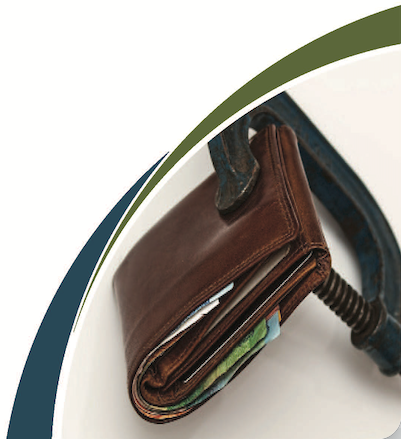
Identity theft involves the unauthorized use of another person’s personal identifying information or financial identifying information to obtain cash, property, or services, or otherwise gain a benefit.
Most Common Forms of ID Theft in Jefferson County
- Flagging: Placing the red flag on your mailbox in the up position alerts identity thieves that there is information available to be stolen.
- Skimming: Using a small electronic device to capture information from the electronic strip on credit cards, debit cards, and driver’s licenses.
- Trespass to a Motor Vehicle: Breaking into vehicles to steal wallets, purses, and account information.
- Phishing: Deceptive emails, social media, or texts designed to steal personal data by pretending to be from legitimate sources.
- Social engineering is manipulating people into divulging confidential information, often seen in dating websites or phone scams (e.g., pretending to be a relative in need).
DO. . .
- Request and review your credit report each year.
- Store personal information in a locked location.
- Shred documents with personal information.
- Take outgoing mail directly to the post office or use a blue mailbox.
- Keep only regularly used accounts.
- Keep device security up to date.
- Close unused credit and bank accounts.
- Check statements regularly and report missing bills.
- Protect your mail with a locking mailbox.
- Remove your name from pre-approved credit and telemarketing lists (call 1-888-5-OPT-OUT or visit www.donotcall.gov).
DON'T. . . - Give personal information to anyone via phone, mail, or Internet unless you initiated contact.
- Write your PIN on your ATM or debit card.
- Carry your social security card in your wallet.
- Leave your social security card, credit cards, or IDs in your vehicle.
- Click on links in emails, texts, or online ads.
- Choose easy-to-guess PINs/passwords.
- Use public WiFi for sensitive transactions.
Identity Theft occurs when someone uses your personal information (e.g., Social Security Number, address) to commit fraud or gain financial benefits. Thieves may use or sell this information on the dark web.
THEY CAN:
- Open bank or credit accounts in your name
- File bogus tax returns
- File unemployment claims
- Make online purchases
- Shift medical expense liability to you
FRAUD is deception for personal or financial gain, including scams like government imposters, romance scams, grandparent scams, work-at-home scams, online scams, phishing, and robocalls.
What to do if you have become a victim of identity theft.
- Call your credit card company or bank to report and dispute charges, and close affected accounts.
- Report the crime to local law enforcement with supporting documents.
- Contact credit reporting agencies to place a fraud alert or credit freeze and request your credit report:
- Equifax: www.equifax.com
1-800-525-6285 - Experian: www.experian.com
1-888-397-3742 - TransUnion: www.transunion.com
1-800-680-7289
- Equifax: www.equifax.com
- Make an online identity theft report to the FTC at www.ftc.gov or call 1-877-FTC-HELP or 1-877-ID-THEFT.
- Visit cbivictimsupport.com for tips and steps for victims.
- For internet crimes, report to https://www.ic3.gov
- Visit www.jeffco.us/sheriff for more information.
- Report fraudulent unemployment claims at
https://cdle.colorado.gov/unemployment
WHO ARE WE
There is no higher calling than to protect the rights and constitutional freedoms of those we serve. We pledge to serve the Jefferson County community with:
INTEGRITY -We are honest, forthright and courageous in all we do. We are accountable to the public and ourselves.
EXCELLENCE -Our tradition holds that we serve our communities with high standards through teamwork, innovation and leadership. Exceptional service is our hallmark.
RESPECT -We honor our oath of office and the people we serve. We wear our badge with dignity and restraint. We enforce the law with equality, compassion and respect for individual rights.
Jefferson County Information / Additional Resources
(Tap the number to call)
District Attorney Office (DA)
303-271-6800
DA Victim Witness Specialist
303-271-6550
Crime Victim Compensation
303-271-6846
Jail Inmate Services
303-271-5445
Jail Inmate Hot Line
303-271-5444
VINE: For information about offenders in custody: Register to be notified at https://colorado-vine.com or call
888-263-8463.
Sheriff's Office Information
24-Hour Advocate
303-980-7300
Victim Services
303-271-5339
Sheriff's Office Website: https://www.jeffcosheriffco.gov